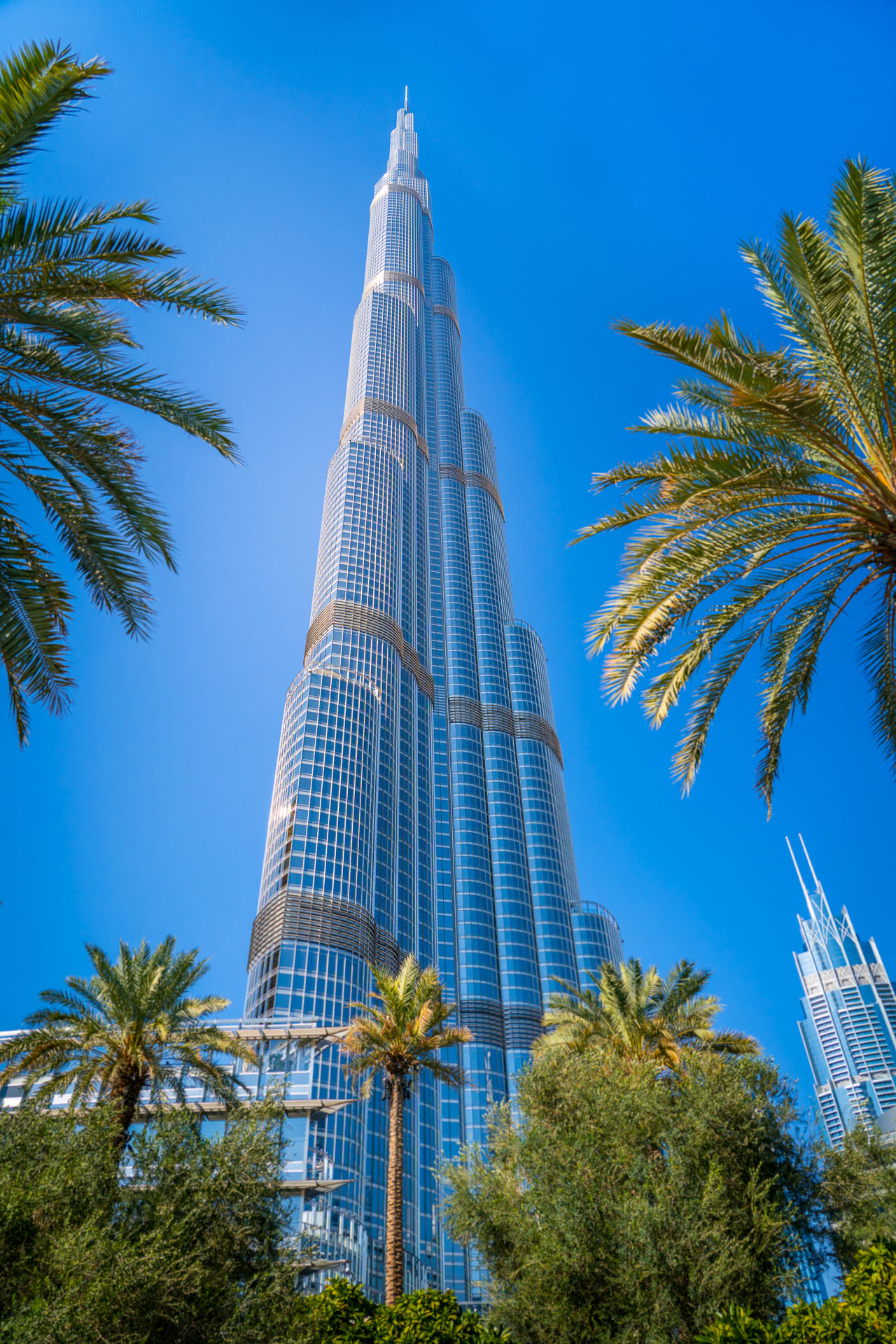
While film enthusiasts discuss the next installment of Jackie Chan Police Story 4, the world’s tallest building remains a beacon of architectural ambition and urban innovation. The Burj Khalifa, soaring 828 meters above Dubai’s desert skyline, continues to draw millions of visitors, offering a glimpse into the city’s relentless drive for progress.

Why the Burj Khalifa Still Matters to Trend‑Aware Readers
Dubai’s tallest tower is more than an architectural marvel; it’s a case study in how a single structure can redefine a city’s identity. For travelers seeking distinctive experiences, the building offers premium observation decks, exclusive dining, and a high‑speed elevator system that takes visitors to 148 meters in less than a minute.
- Record‑Breaking Speed: The elevators reach 1,000 km/h, a feat that underscores engineering prowess.
- Sustainable Design: Advanced façade systems reduce solar heat gain by 30%, demonstrating Dubai’s commitment to green building practices.
- Cultural Hub: The tower hosts art installations and temporary exhibitions that reflect both traditional and contemporary Middle Eastern aesthetics.
Key Features That Drive Visitor Numbers
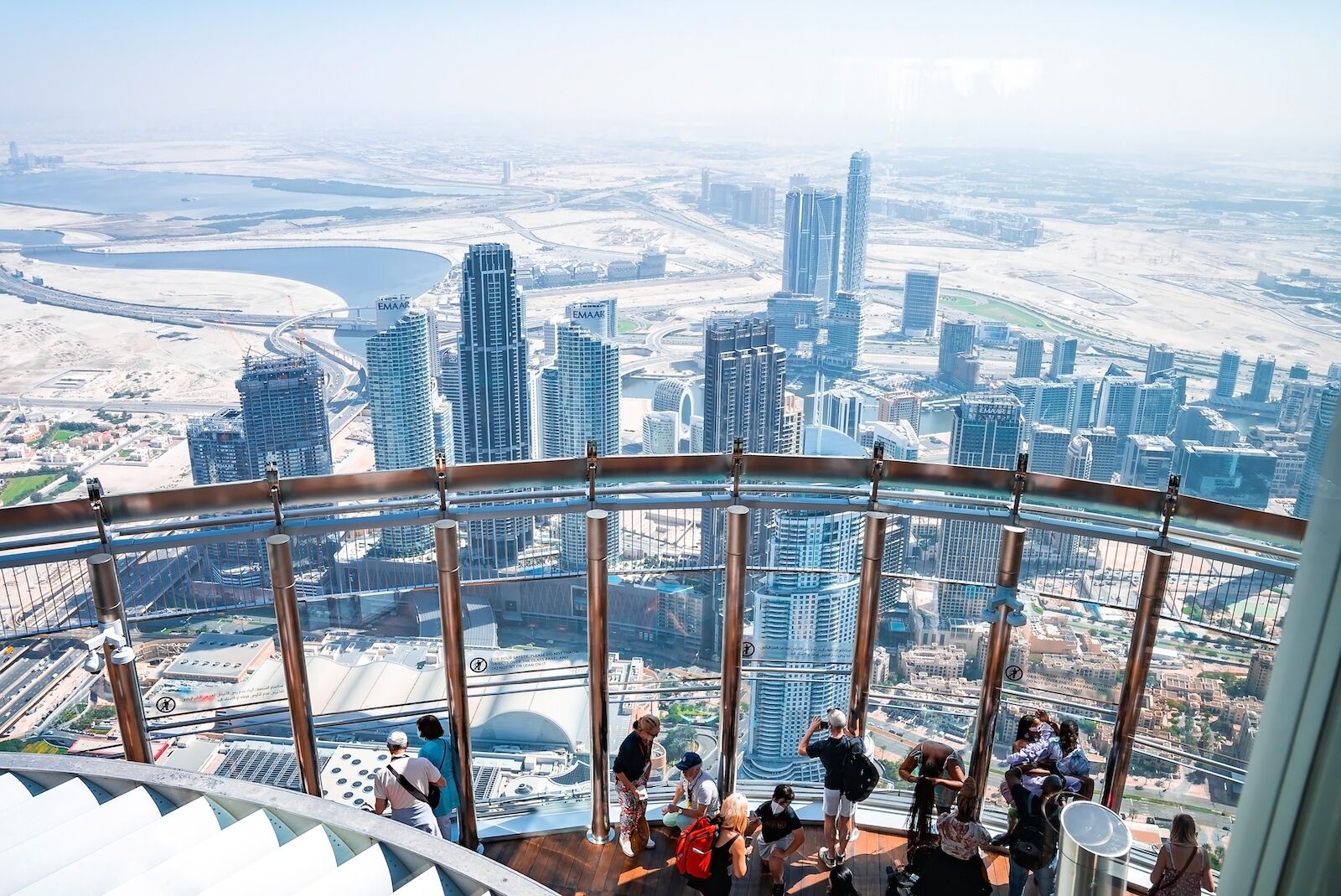
Unlike typical tourist attractions that rely on single-entry points, the Burj Khalifa’s multifaceted attractions encourage repeat visits. The observation deck on the 124th floor offers panoramic views, while the 148th floor “At the Top” experience provides a luxurious, sky‑high dining setting.
Moreover, the tower’s integration with the Dubai Mall and the surrounding Downtown district creates a seamless urban experience. Visitors can combine a high‑end shopping spree with a ride up the world’s tallest building, maximizing value for the budget-conscious traveler.
Economic and Cultural Implications for Dubai
Beyond its visual impact, the Burj Khalifa plays a pivotal role in Dubai’s economy. The tower attracts over 15 million tourists annually, generating significant revenue through ticket sales, hospitality, and retail partnerships. Its presence has spurred the development of nearby mixed‑use projects, reinforcing Dubai’s reputation as a global business hub.
In the cultural arena, the tower serves as a platform for international events, from fashion weeks to film festivals. Its iconic status ensures that the city remains on the global radar, attracting investors and creatives alike.
Future Developments and Sustainability Initiatives
Looking ahead, the Burj Khalifa’s management plans to upgrade its energy systems with more efficient HVAC and lighting solutions. Additionally, the surrounding precinct is slated for an expanded green space initiative, aiming to offset the tower’s carbon footprint and improve urban livability.
For trend‑aware readers, these developments signal a broader shift in how megastructures evolve. The focus is no longer just on height but on creating sustainable, multifunctional spaces that cater to both locals and tourists.
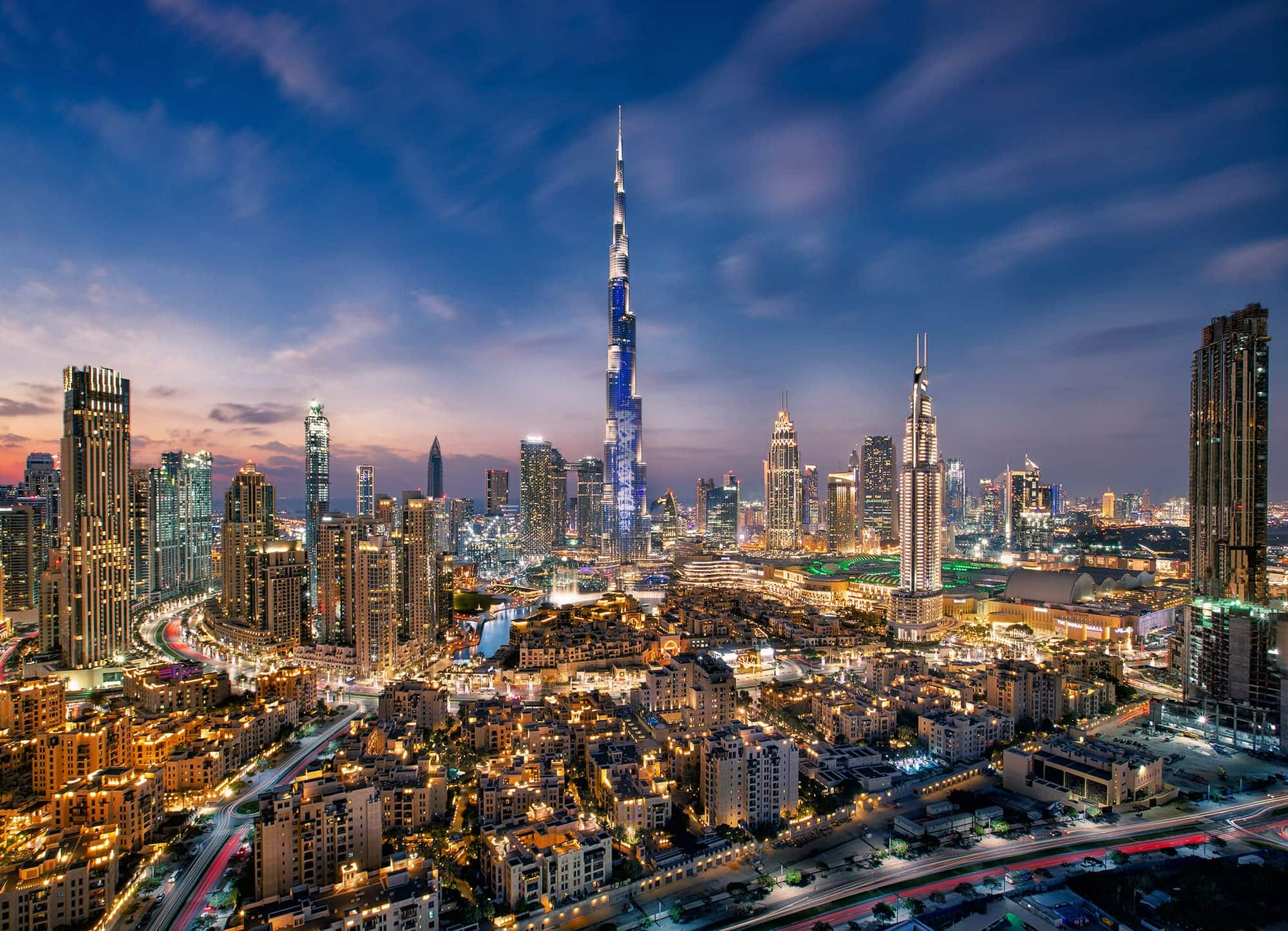
As the city continues to innovate, the Burj Khalifa stands as a testament to what is possible when ambition meets technology. Whether you’re a travel professional, a construction enthusiast, or simply curious about the future of urban landmarks, the tower remains a compelling subject worth watching.
Burj Khalifa | Architect Magazine

Burj Khalifa | Architect Magazine
Burj Khalifa (Dubai): Bilhetes, Preços, Horários (2026)
Burj Khalifa (Dubai): Bilhetes, preços, horários (2026)
Tickets For Burj Khalifa - Dubai | Tiqets
Tickets for Burj Khalifa - Dubai | Tiqets
Burj Khalifa: Fun Facts And Visiting Tips For The World's Tallest Building
Burj Khalifa: Fun Facts and Visiting Tips for the World's Tallest Building