For anyone moving from casual tinkering to serious watch restoration, the right tools turn a frustrating assembly into a precise craft. This overview highlights the essential gear, practical use‑cases, and cautions that keep hobbyists productive while protecting delicate movements.
What equipment forms the backbone of a functional watchmaker’s bench?
A well‑organized workstation begins with a sturdy bench and a set of basic hand tools. The image below shows a typical layout, illustrating how each item fits into the workflow.
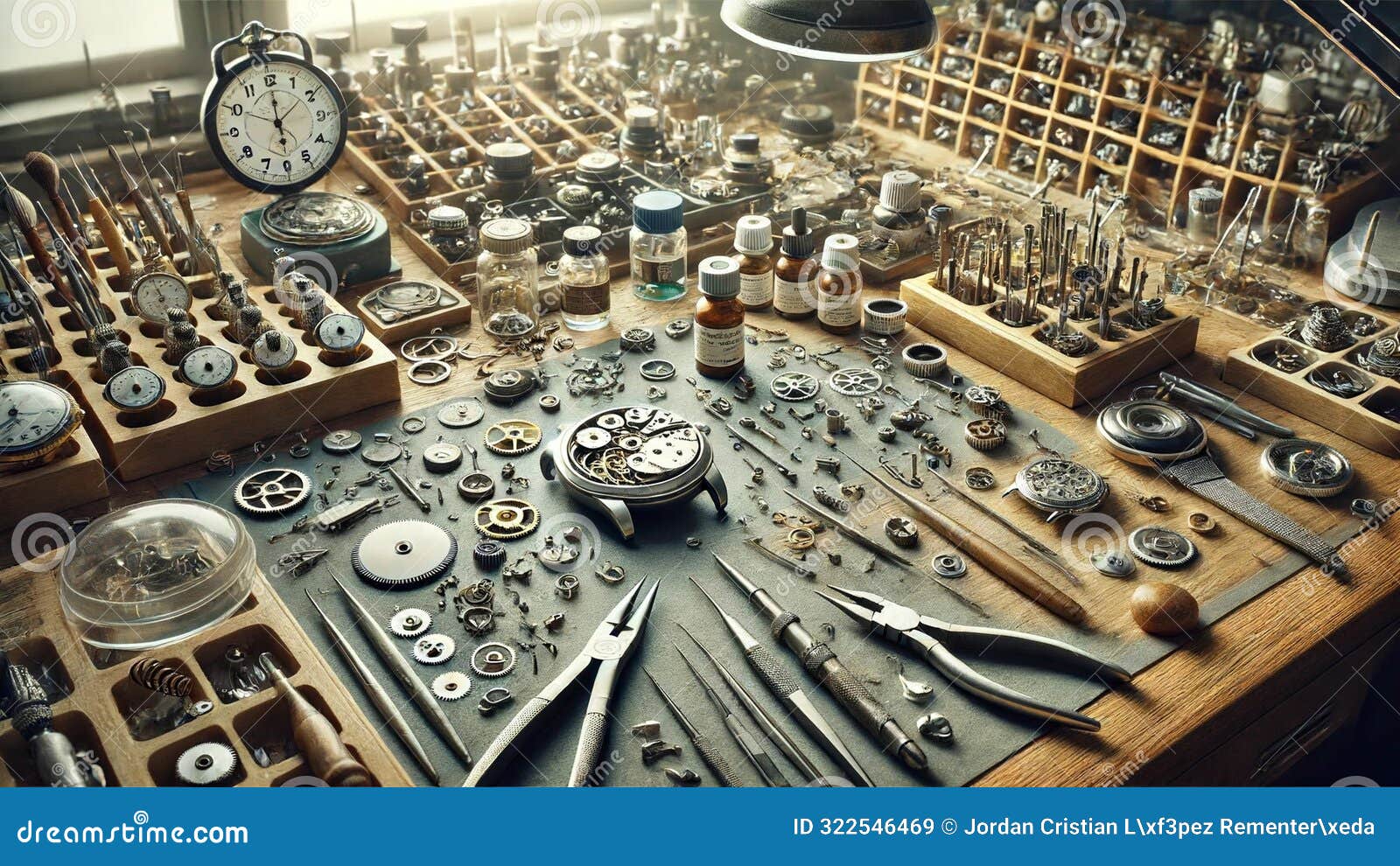
- Watchmaker’s screwdriver set – flat‑head and Phillips sizes designed for tiny screws.
- Tweezers (straight and angled) – stainless steel tips prevent slipping on sapphire crystals.
- Loupe or microscope – 10×–30× magnification reveals the inner workings of a movement.
- Movement holder – clamps the case securely without marring the finish.
- Case opener – spring‑loaded tools for both snap‑on and screw‑down backs.
Which specialized tool should a beginner prioritize for pin removal?
Pin removal often stalls novice repairs because an improper extractor can fracture a pin or damage the bridge. The dedicated Cannon Pinion Remover, pictured below, offers a safe alternative to improvised methods.

- Position the cutter over the head of the pin.
- Apply gentle downward pressure while rotating the handle.
- The pin slides out cleanly, preserving the surrounding holes.
While the Cannon set streamlines the process, it’s still advisable to practice on a scrap movement first to gauge the required force.
When can a hobbyist safely attempt a full movement disassembly?
Disassembling a watch is rewarding but introduces risk of losing tiny components. Follow these criteria before diving in:
- Tool readiness – Ensure you have a complete screwdriver set, tweezers, and a movement holder.
- Clear documentation – Reference a service manual or a step‑by‑step video specific to the model.
- Workspace organization – Use a magnetic mat or a compartmentalized tray to separate parts.
- Patience – Allocate at least an hour for a simple three‑hand watch; rushing leads to mistakes.
If any of these conditions are not met, postpone the project until you can address the gap.
What pitfalls should seasoned hobbyists watch out for when polishing cases?
Even experienced technicians can damage a case by using the wrong abrasive or applying excessive pressure. Consider these cautions:
- Start with a fine #2000 sandpaper before moving to a polishing compound; skipping steps leaves micro‑scratches.
- Avoid metal‑based compounds on plated finishes—they can erase gold or rhodium layers.
- Test the polish on an inconspicuous area first; color shifts are often irreversible.
- Use a soft microfiber cloth rather than a cotton rag to minimize streaks.
How can a hobbyist maintain tools for long‑term reliability?
Tool longevity mirrors watch longevity: regular care prevents wear.
- Wipe each tool after use to remove oil and debris.
- Store screwdrivers in a protective case to avoid tip damage.
- Periodically sharpen tweezers and replace worn screwdriver bits.
- Calibrate the loupe’s focus by comparing it against a known standard, such as a printed ruler.
By integrating these habits, hobbyists keep their bench as dependable as a Swiss‑made movement.
Watchmaking Starter Kit

Watchmaking Starter Kit
Watchmaking Watch Tools Watch Case Opener Pin Link Remover Spring Bar
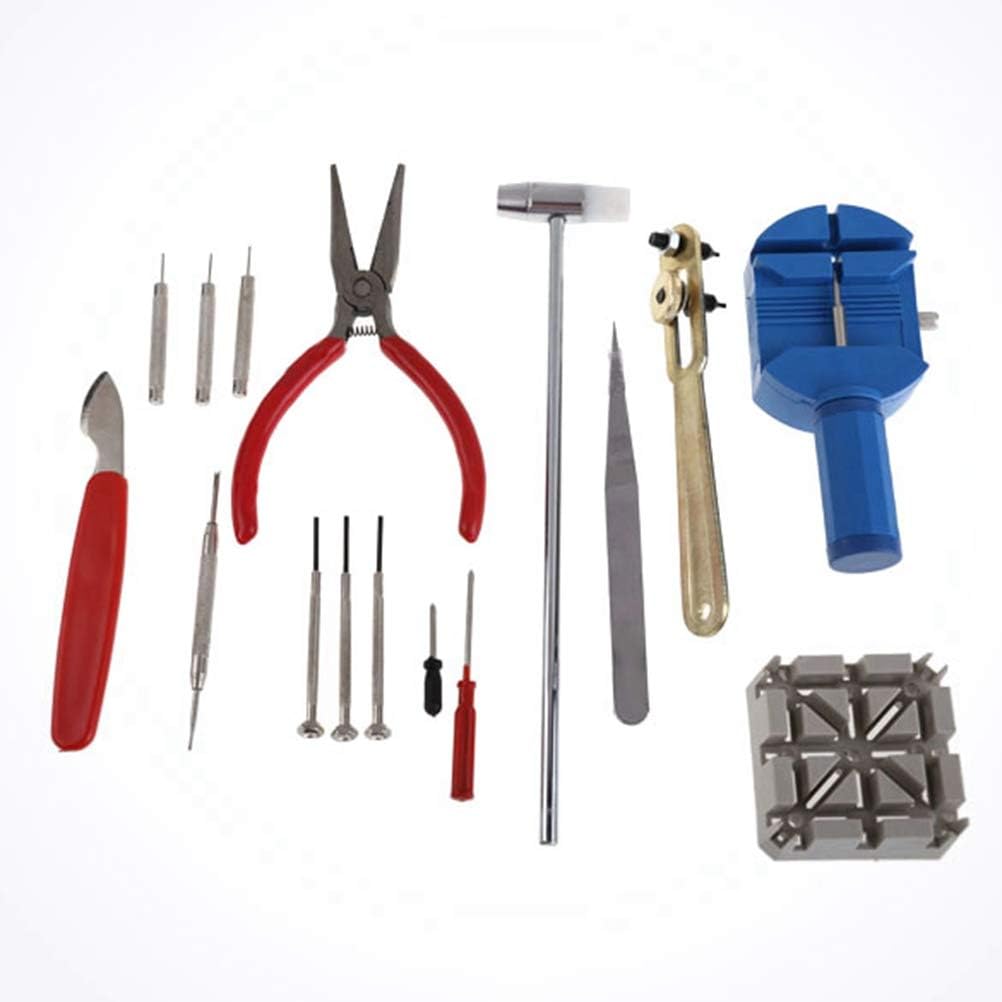
Watchmaking Watch Tools Watch Case Opener Pin Link Remover Spring Bar ...
Essential Tools For Watchmaking And Repair In 2024

Essential Tools for Watchmaking and Repair in 2024