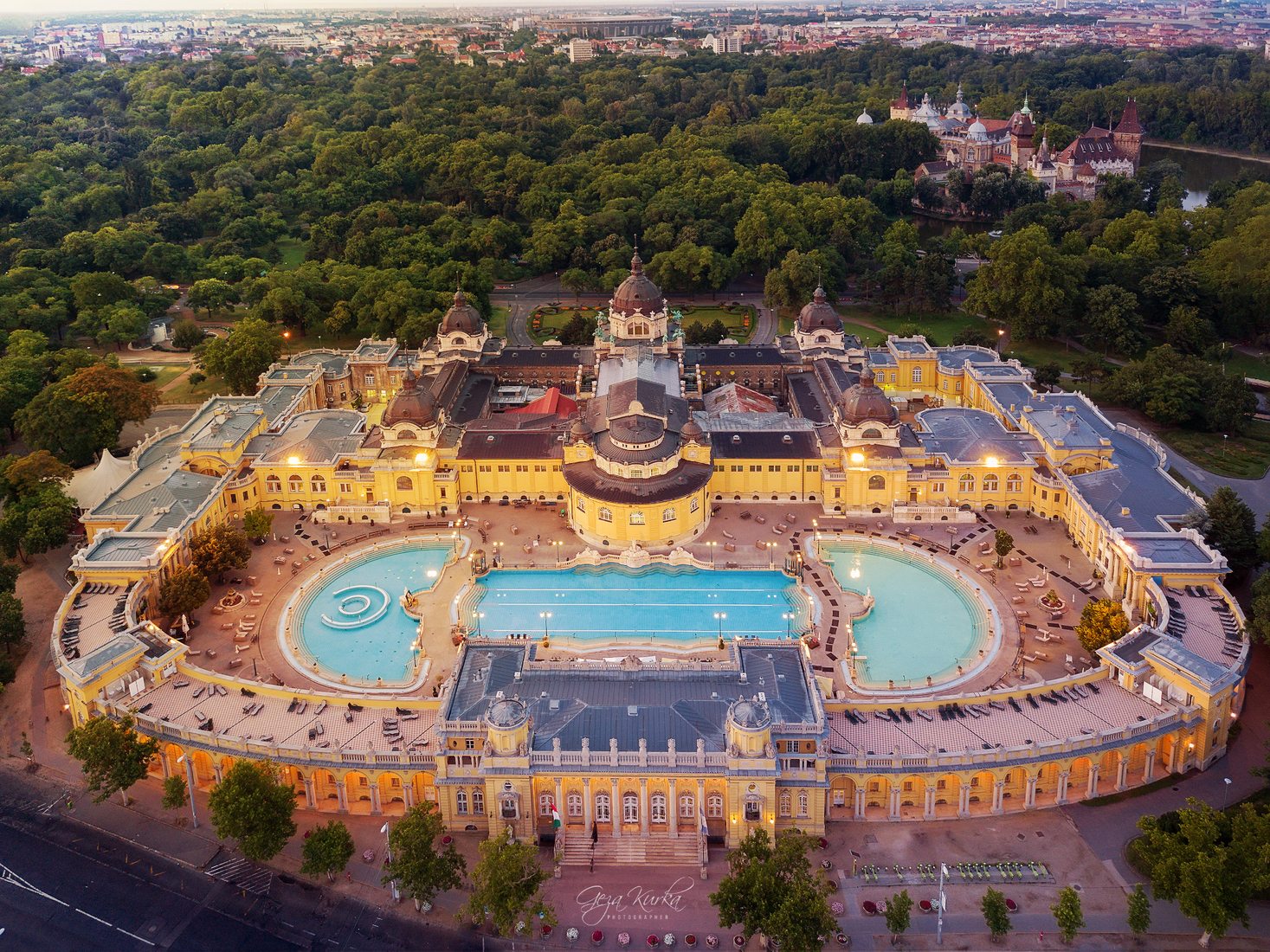
If you’ve ever watched a high‑octane scene from a Jackie Chan Tagalog movie and felt the adrenaline rush, imagine pairing that energy with a calming, historic setting like Budapest’s Szechenyi Thermal Bath. While the film’s action can’t compete with the soothing thermal waters, the experience offers a unique contrast that travelers can’t afford to miss.
Historical Roots: From Ottoman Baths to Modern Spa
First opened in 1913, the Szechenyi Thermal Bath sits on the banks of the Danube, within the sprawling City Park. Its roots trace back to the Ottoman era, when locals first discovered the therapeutic potential of the mineral‑rich waters that spring from the Gellért Hill. The current building, a grand Art‑New‑Style masterpiece, replaced a modest wooden bathhouse that survived the city’s many sieges.
Key Features That Set It Apart
- Three Main Pools – The largest, the 25‑meter Olympic‑size pool is a favorite for both swimming and relaxation; the second hosts a variety of mineral pools with temperatures ranging from 42 °C to 55 °C; the third is a dedicated children’s area with playful water jets.
- Indoor and Outdoor Spaces – The historic building’s vaulted ceilings and mosaic tiles provide a striking visual contrast to the open-air pools that offer panoramic views of the Danube.
- Holistic Health Benefits – Rich in selenium and other minerals, the water is known to support cardiovascular health, improve circulation, and alleviate chronic pain.
Comparing Budapest’s Baths: Szechenyi vs. Gellért
Budapest is famous for its thermal baths, but not all are created equal. Szechenyi is often compared to the Gellért Bath, a more modern, spa‑centric venue that also boasts a historic façade.
- Atmosphere – Szechenyi’s grand architecture and open‑air design give it a rustic, communal vibe, while Gellért’s ornate interior leans into a more luxurious feel.
- Pool Options – Szechenyi offers a larger variety of pools, including an Olympic‑size swimming pool, making it ideal for both casual relaxation and competitive swimming.
- Location – Szechenyi’s central position in City Park allows easy access to other attractions like the Budapest Zoo or the Vajdahunyad Castle.
Practical Tips for the Budget‑Focused Traveler
For those who want the best experience without breaking the bank, here are some action‑oriented ways to plan your visit:
- Time It Right – Arrive before 11 a.m. to enjoy the pools with fewer crowds and better lighting for photos.
- Pass Options – The 24‑hour ticket offers unlimited access for a flat fee; the 3‑day pass is available at a discounted rate and includes free use of the sauna and steam rooms.
- Combo with Cultural Tours – Pair a thermal bath visit with a walking tour of City Park. Many tour operators offer a combined ticket that saves both time and money.
Implications for Wellness and Tourism
Thermal baths like Szechenyi are not just luxury indulgences; they play a pivotal role in Hungary’s public health strategy, providing low‑cost wellness options for residents and tourists alike. As travelers increasingly look for authentic, culturally rich experiences, the bath’s blend of history, architecture, and natural healing draws a diverse audience.
How It Compares to Modern Spa Chains
Unlike high‑end spa resorts, Szechenyi keeps operational costs low by leveraging public funding and seasonal passes. This affordability model makes it a model for sustainable tourism that balances heritage preservation with accessibility.
Whether you’re a fan of adrenaline‑filled Jackie Chan Tagalog movies or a health‑conscious traveler seeking mineral water therapy, the Szechenyi Thermal Bath offers a memorable and practical break from the everyday hustle. Its combination of historic charm and modern amenities ensures that every visit is both restorative and culturally enriching.