While Jackie Chan is globally celebrated for his high‑octane kung‑fu comedies, his dramatic repertoire—spanning war epics, period pieces, and character‑driven thrillers—often slips under the radar of casual fans. New viewers frequently misinterpret his serious roles, mistake genre cues, or overlook narrative nuance, leading to a fragmented appreciation of his range. This overview pinpoints those blind spots and proposes clearer, more rewarding approaches for anyone eager to explore the actor’s lesser‑known dramatic side.
Why do audiences assume Jackie Chan’s dramas are just action films?
Jackie Chan’s name has become synonymous with slap‑stick fight choreography, so many assume every title featuring him will follow the same formula. In reality, films like Police Story 1990 (a police procedural) and The Myth (a historical fantasy) blend intense combat with substantial plot weight. The first mistake is to judge a drama solely on its promotional poster or trailer, which often amplifies the action element to attract his core fan base.
Smarter alternative: Check the genre tag and director’s intent
- Look up the film’s official genre classification on reputable databases; a “drama” label signals a narrative focus beyond fight scenes.
- Identify the director’s previous work—directors like Stanley Tong and Tsui Hark tend to embed deeper character arcs when collaborating with Chan.
What errors arise when viewers ignore cultural context?
Jackie Chan’s dramas frequently embed Chinese historical or social themes that are essential to the story’s emotional core. Ignoring this context reduces complex motives to generic “good‑vs‑evil” tropes, stripping the film of its intended resonance. For instance, Police Story 1985 reflects Hong Kong’s 1980s law‑enforcement challenges, a nuance lost on audiences unfamiliar with the era.
Smarter alternative: Briefly research the setting before hitting play
- Read a concise overview of the relevant period—political climate, social issues, or myths referenced.
- Watch a short documentary or read a reputable article that outlines the historical backdrop; a five‑minute clip can illuminate key character motivations.
How does focusing only on Jackie Chan’s performance limit understanding?
Although Chan’s screen presence is magnetic, the surrounding ensemble often carries substantial emotional weight. Misreading a drama as a “Jackie Chan showcase” can cause viewers to miss supporting characters who drive the plot forward, such as the morally conflicted detective in Police Story 1990 or the grieving mother in New Police Story.
Smarter alternative: Track secondary character arcs
- Maintain a simple note of each main character’s goal and obstacle; this keeps the broader story structure in view.
- Re‑watch scenes focusing on dialogue rather than fight choreography to appreciate subtler performances.
Why do some viewers skip the film’s pacing and structure?
Jackie Chan dramas often employ a slower, methodical build‑up before the climax, contrasting sharply with his rapid‑fire comedies. Expecting constant action can lead to premature disengagement, especially during exposition-heavy sequences.
Smarter alternative: Adjust viewing expectations
- Allocate a full viewing slot rather than a “quick watch”; the narrative payoff typically arrives after 30‑45 minutes of set‑up.
- Identify the three‑act structure: opening conflict, mid‑point tension, and final resolution. Recognizing this rhythm helps maintain interest through slower moments.
What practical steps can beginners take to deepen appreciation?
The most effective route combines targeted research with mindful viewing. Begin by selecting a well‑rated drama—such as The Myth or Police Story 1990—and follow these steps:
- Read a brief synopsis on a trusted film site.
- Note the historical or social themes highlighted.
- Watch the film with subtitles if language barriers exist, focusing on dialogue cues.
- After viewing, revisit a scene that felt pivotal and compare it with a review that discusses its thematic relevance.
By moving beyond the assumption that every Jackie Chan title is a comedy, viewers unlock a richer cinematic experience that showcases the actor’s versatility and the storytelling depth of Hong Kong drama cinema.
Thermaltake Reinvents How To Apply Thermal Paste To CPUs | PC Gamer
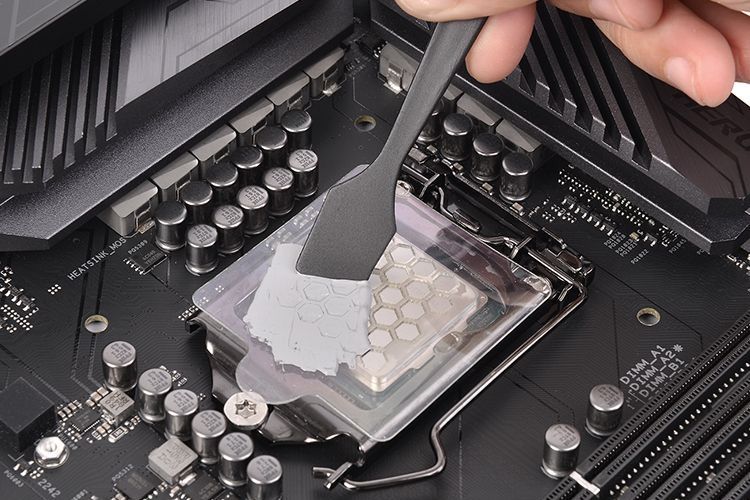
Thermaltake reinvents how to apply thermal paste to CPUs | PC Gamer
Thermal Paste Surface Application In Power Electronics Manufacturing

Thermal Paste Surface Application in Power Electronics Manufacturing ...
Thermal Silicone Grease Small Scraper Application Tool & Thermal Paste

Thermal silicone grease small scraper application tool & thermal Paste ...
SYY Thermal Paste With Tool Kit, 15 Grams CPU Paste Thermal Compound

SYY Thermal Paste with Tool kit, 15 Grams CPU Paste Thermal Compound ...
Thermal Paste Interface Compound Application Wipe Mixing Wand Tool Kit

Thermal Paste Interface Compound Application Wipe Mixing Wand Tool Kit ...