The Maine Coon, celebrated for its majestic size and playful spirit, comes in an impressive array of colors—from classic tabby patterns to bold, solid hues. Yet, hobbyists often overlook the subtle nuances that differentiate one shade from another, leading to mismatched expectations and unnecessary grooming challenges.
Understanding the Rainbow of Maine Coon Colors
Color classification in Maine Coons follows a few key categories: solid, ticked, mottled, and pointed. Each pattern can appear in primary colors (black, blue, red, fawn) and their diluted or shaded variants (chocolate, lilac). For example, a silver tabby is not merely a silver coat; it includes a distinct, silvery base with darker, vertical stripes that create a shimmering effect under light. Misidentifying these patterns can cause a breeder to mislabel a cat’s registration or a buyer to purchase a different coat than expected.

Common Mistakes When Choosing a Color
- Assuming Color Equals Personality: Some owners link a cat’s coat with temperament, thinking a black Maine Coon will be more reserved. In reality, personality is largely genetic and environmental; color has little influence.
- Ignoring Shade Variations: A “red” coat can range from a bright orange to a deep mahogany. Buying a cat labeled simply as “red” without confirming the shade may lead to disappointment.
- Overlooking Undercoat Transparency: Certain colors, like “silver” or “blue,” can appear darker or lighter depending on lighting and coat thickness. Mistaking a shadowed tabby for a solid dark coat is common among newcomers.
- Choosing Color Over Health: Some exotic colors, especially diluted shades, can be linked to specific genetic conditions. Focusing solely on appearance may inadvertently expose a kitten to health risks.
Smarter Alternatives for Selecting the Right Color
- Request Full Color Documentation: Ask breeders for a detailed color chart, including photographs taken in natural light. This eliminates ambiguity between “silver” and “gray,” for instance.
- Observe Under Different Lighting: Examine a kitten’s coat in both indoor and outdoor settings. A cat that appears gray in artificial light may reveal a darker, richer shade outdoors.
- Consult the Cat’s Gene Panel: Many reputable breeders now provide genetic testing reports that confirm coat color genes and flag potential health concerns tied to specific pigments.
- Consider a Color Palette: Rather than buying a single cat, think about a home that could accommodate a mix—perhaps a silver tabby paired with a classic red. This approach adds visual interest and reduces the pressure of picking the “perfect” single hue.
By applying these practical steps, seasoned hobbyists can avoid common pitfalls and embrace the full spectrum of Maine Coon beauty. Selecting the right color is more than an aesthetic choice; it’s a commitment to a companion’s well‑being and a lifelong partnership.
Maine Coon México | La Guía Definitiva Del Gato Gigante

Maine Coon México | La Guía Definitiva del Gato Gigante
Maine Coon Cats Colors: What Shades Do They Come In?

Maine Coon Cats Colors: What Shades Do They Come In?
Maine Coon Colors Explained: Is Your Cat Super Rare?
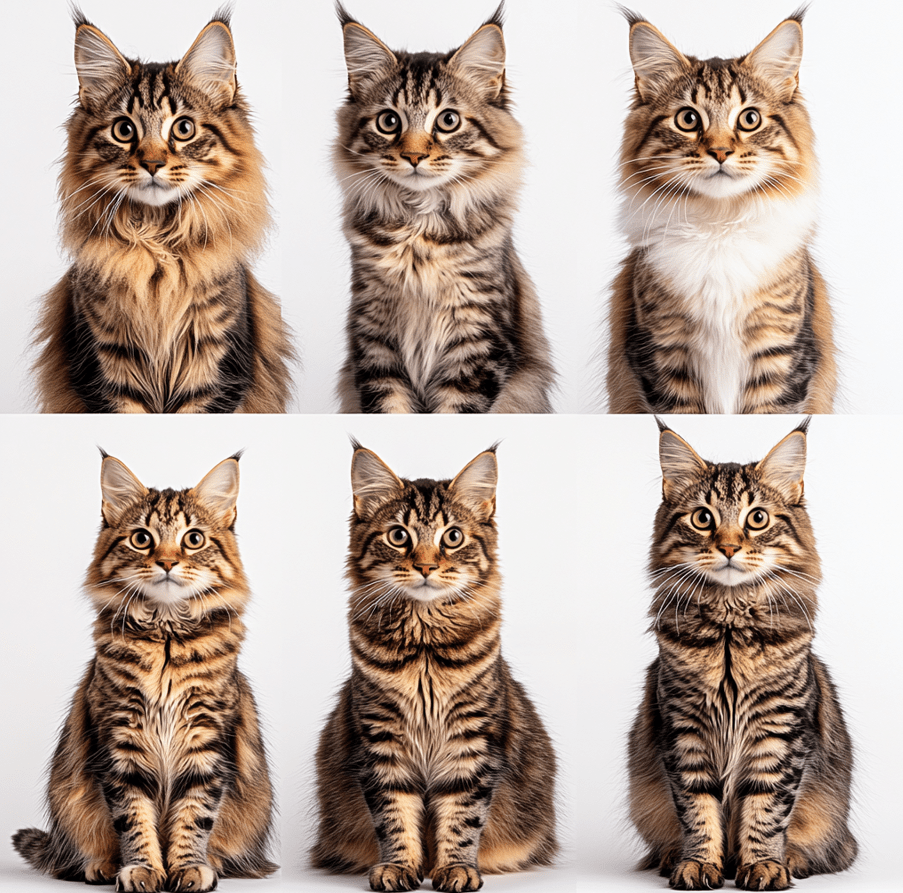
Maine Coon Colors Explained: Is Your Cat Super Rare?
Maine Coon Colors: The Most Popular Colors And Patterns
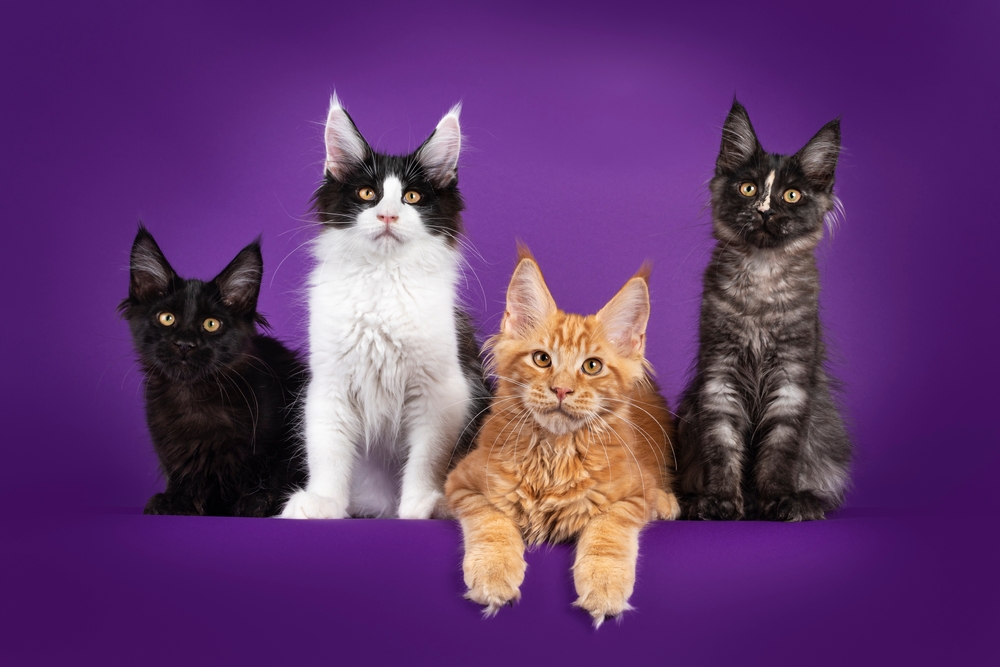
Maine Coon Colors: The Most Popular Colors And Patterns
Unveiling The Rainbow: A Guide To Maine Coon Cat Colors

Unveiling the Rainbow: A Guide to Maine Coon Cat Colors