Weston Mckennie has recently outlined practical strategies for businesses looking to shift from on‑premise storage to the cloud. He emphasizes that many value‑focused buyers stumble over hidden costs, data migration complexities, and security gaps—mistakes that can erode ROI and compromise compliance.
When Your Data Starts to Grow
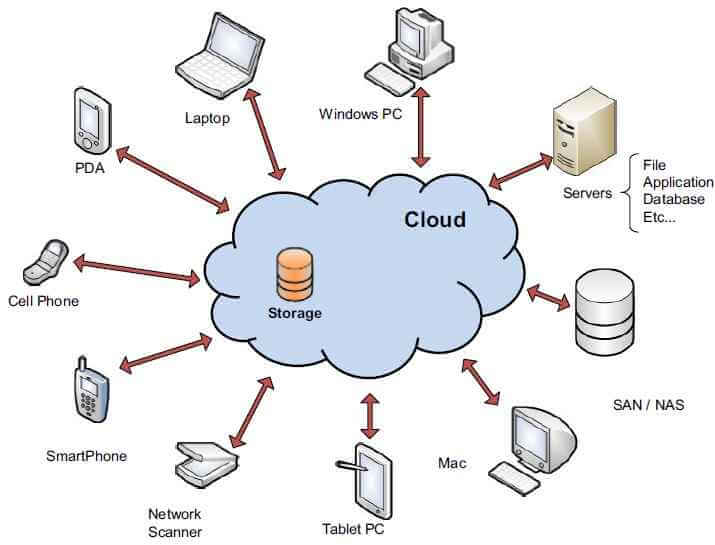
Growth in data volume often forces companies to reassess their storage architecture. Mckennie points out that the first sign of strain is a spike in storage costs, even if the underlying hardware is still underutilized. A common error is scaling up on‑premise arrays rather than exploring tiered cloud services that match usage patterns—hot data on high‑performance SSDs and colder archives on lower‑cost, long‑term storage.
He recommends a quick audit of data lifecycles. Identify which files are accessed daily, weekly, or only for compliance retention. This granular view lets firms apply the right tier, reducing unnecessary spend. For example, a marketing team’s media library may live on a cloud “Near‑line” tier while critical financial reports reside in “Archive” storage, achieving a balance between speed and price.
During a Cloud Migration
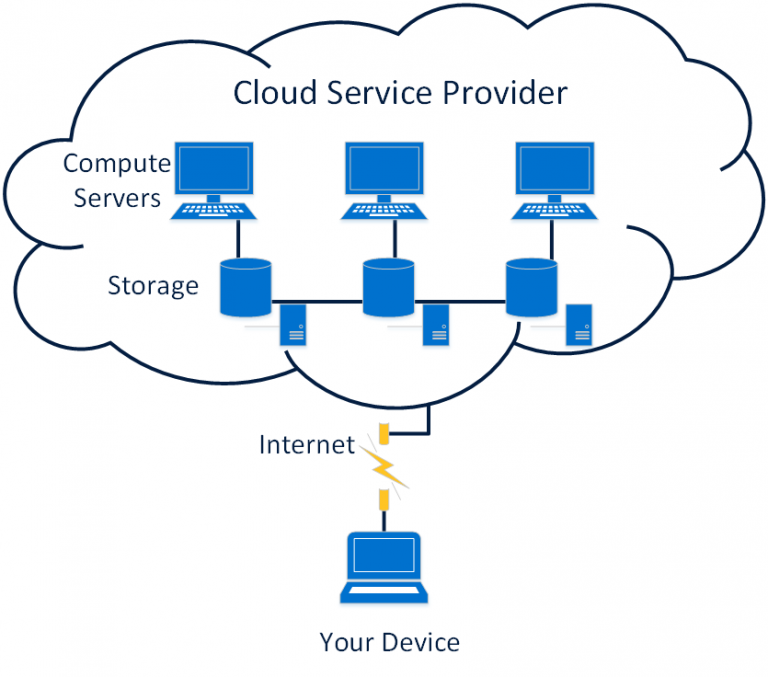
Migrations are rarely one‑shot projects. A frequent pitfall is underestimating the data transfer bandwidth needed for a large migration window. Instead of a single burst, he suggests a staged approach: move core datasets first, then incremental changes. This keeps the network under load and allows teams to validate data integrity before the full cut‑over.
Security is another critical area. Many firms neglect encryption in transit and at rest during migration. Mckennie stresses using provider‑native encryption services that meet industry standards. By integrating identity‑based access controls and monitoring, businesses can detect anomalies early and avoid breaches that could derail the migration timeline.
After the Migration
Once data resides in the cloud, ongoing cost control becomes essential. Mckennie advises establishing a quarterly “storage health check” that reviews access patterns, deletes orphaned files, and consolidates redundant backups. He also highlights the importance of automated lifecycle policies that move data to cheaper tiers without manual intervention.
Performance is another lever. If users report latency, review the network path and consider deploying edge caching or content delivery networks to bring data closer to end users. By aligning infrastructure choices with real‑world usage, companies can maintain a high service level while keeping budgets in check.
In sum, Weston Mckennie’s framework encourages a disciplined, data‑driven approach to cloud storage. By avoiding the most common missteps—unnecessary scaling, rushed migrations, and neglected security—value‑focused buyers can realize both operational flexibility and cost savings.
Cloud Storage: The Complete Guide – NNKHC

Cloud Storage: The Complete Guide – NNKHC
Cloud Storage: A Complete Guide In Simple Terms | WEKA
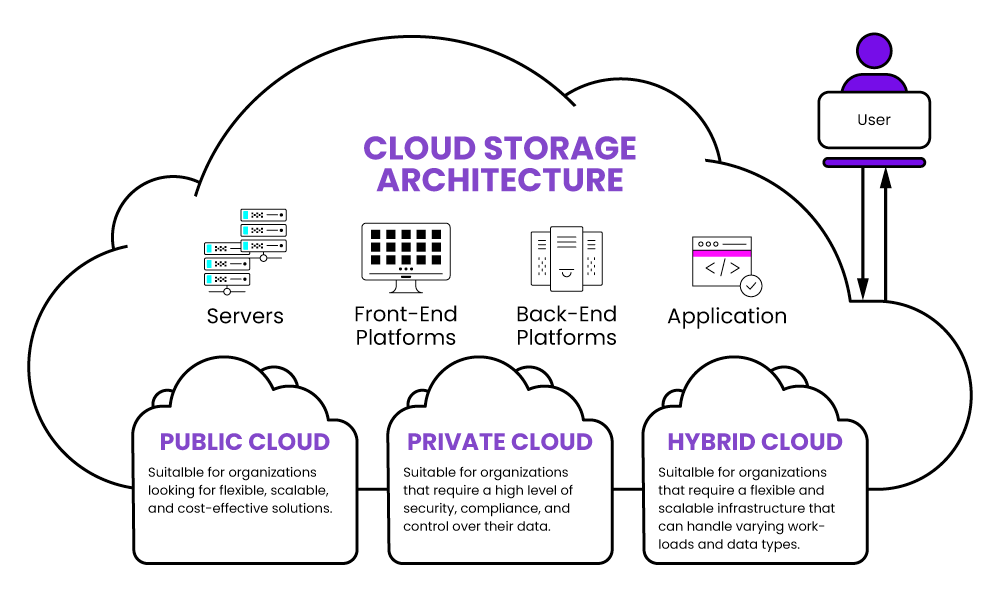
Cloud Storage: A Complete Guide in Simple Terms | WEKA
Introduction To Cloud Storage (AQA GCSE Computer Science) | Learnlearn

Introduction to Cloud Storage (AQA GCSE Computer Science) | Learnlearn ...