The California DMV score sheet, a relatively new tool that aggregates driving behavior data, is gaining attention among everyday motorists because it can affect insurance rates, license renewals, and eligibility for certain road‑safety programs. While the sheet does not replace the traditional driving record, it adds a layer of detail that many Californians are only beginning to grasp.
What Exactly Is the California DMV Score Sheet?
The score sheet compiles data from multiple sources—traffic citations, safety‑course completions, roadway‑incident reports, and, in some cases, telematics information from voluntary driver‑monitoring apps. Each category receives a weighted score, producing a single numeric value that reflects overall driving risk. The DMV uses this metric to identify drivers who may benefit from targeted interventions, such as defensive‑driving courses or discount programs, while insurers may reference the sheet when setting premiums.
How Does the Score Sheet Differ From a Standard Driving Record?
Unlike a standard record that lists only convictions and points, the score sheet rewards positive behaviors. For example, a driver who completes a state‑approved defensive‑driving course earns a modest point reduction, while repeated minor infractions—such as failure to signal—incrementally increase the score. This dual‑approach encourages proactive safety measures rather than solely penalizing violations.
Which Drivers Are Most Likely to See Their Scores Impacted?
Recent pilot data from the DMV shows three typical scenarios:
- New drivers (age 16‑20) who accumulate three or more moving‑violation points within a year see a rapid score rise, prompting eligibility for a remedial driving‑school program.
- Commuters with clean records who voluntarily install telematics apps can lower their score by up to 10 % if they maintain an average speed below the posted limit and avoid hard braking.
- Senior motorists who take a state‑sponsored vision‑screening test receive a credit, reflecting the DMV’s focus on age‑related safety concerns.
What Practical Steps Can Californians Take to Improve Their Score?
Actionable takeaways are simple:
- Enroll in an approved defensive‑driving course before your license renewal date. The DMV website lists nearby providers and often offers a discount when you sign up online.
- Consider a voluntary telematics program if your auto‑insurance carrier offers one. Many apps provide real‑time feedback on speed, acceleration, and braking, helping you adjust habits before the next reporting period.
- Maintain a clean citation history by obeying traffic signals, using turn signals, and staying within speed limits. Even minor violations now leave a trace on your score.
- Schedule your mandatory vision exam early if you’re over 65. A clean result not only satisfies licensing requirements but also improves your score.
What Are the Potential Benefits of a Better Score?
A lower DMV score can translate into tangible advantages. Insurers often reward drivers with reduced premiums, sometimes up to 15 % for consistently low scores over a three‑year period. Additionally, drivers who maintain scores beneath a designated threshold may qualify for expedited renewal processes, limiting the need for in‑person visits at the DMV office.
What Should Drivers Watch Out for Moving Forward?
While the score sheet introduces a constructive way to recognize safe driving, it also means that lapses are recorded more comprehensively. Keep an eye on any communications from the DMV—monthly email summaries will soon replace the traditional annual notice—so you can address issues before they affect insurance or licensure. If you dispute a recorded incident, the DMV provides a clear online appeal process that must be completed within 30 days of notification.
Overall, the California DMV score sheet offers a more nuanced view of driver safety, giving residents the chance to actively shape their driving profile. By staying informed and taking the steps outlined above, everyday motorists can not only protect their records but also enjoy concrete financial and procedural benefits.
What Is Equity Release - How Does It Work In 2026?
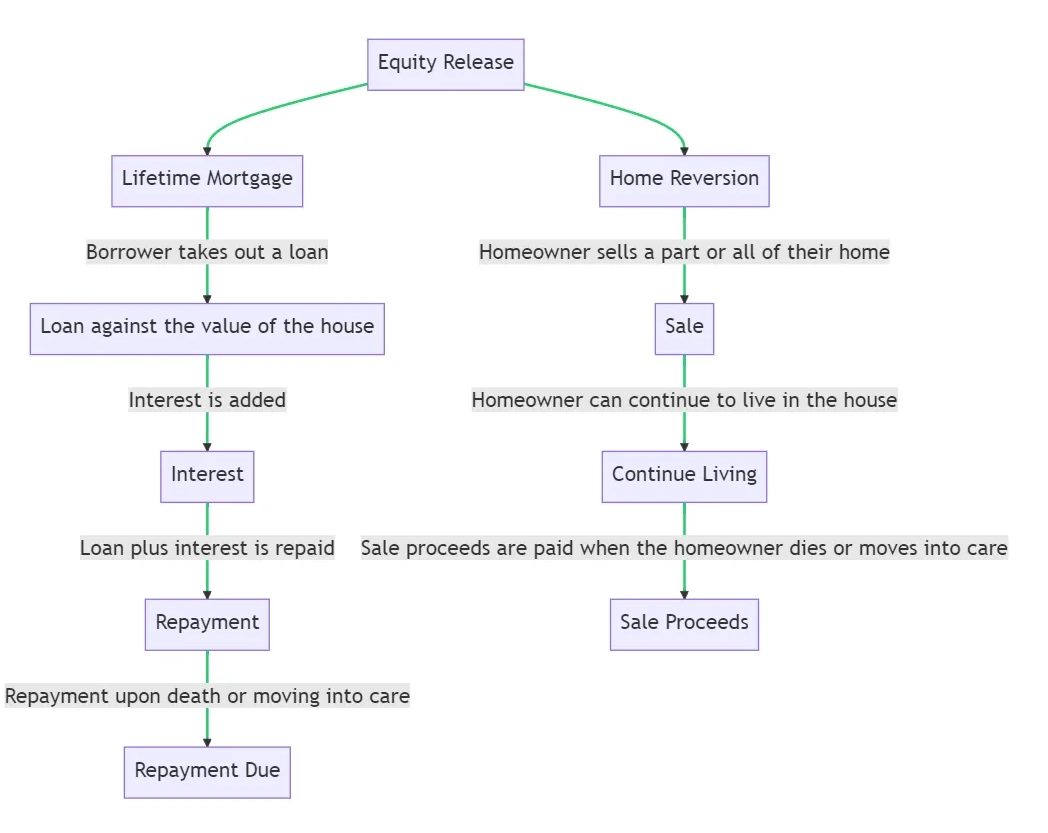
What Is Equity Release - How Does It Work In 2026?
Bridging Loan Application Process: A Clear Step-by-step Guide
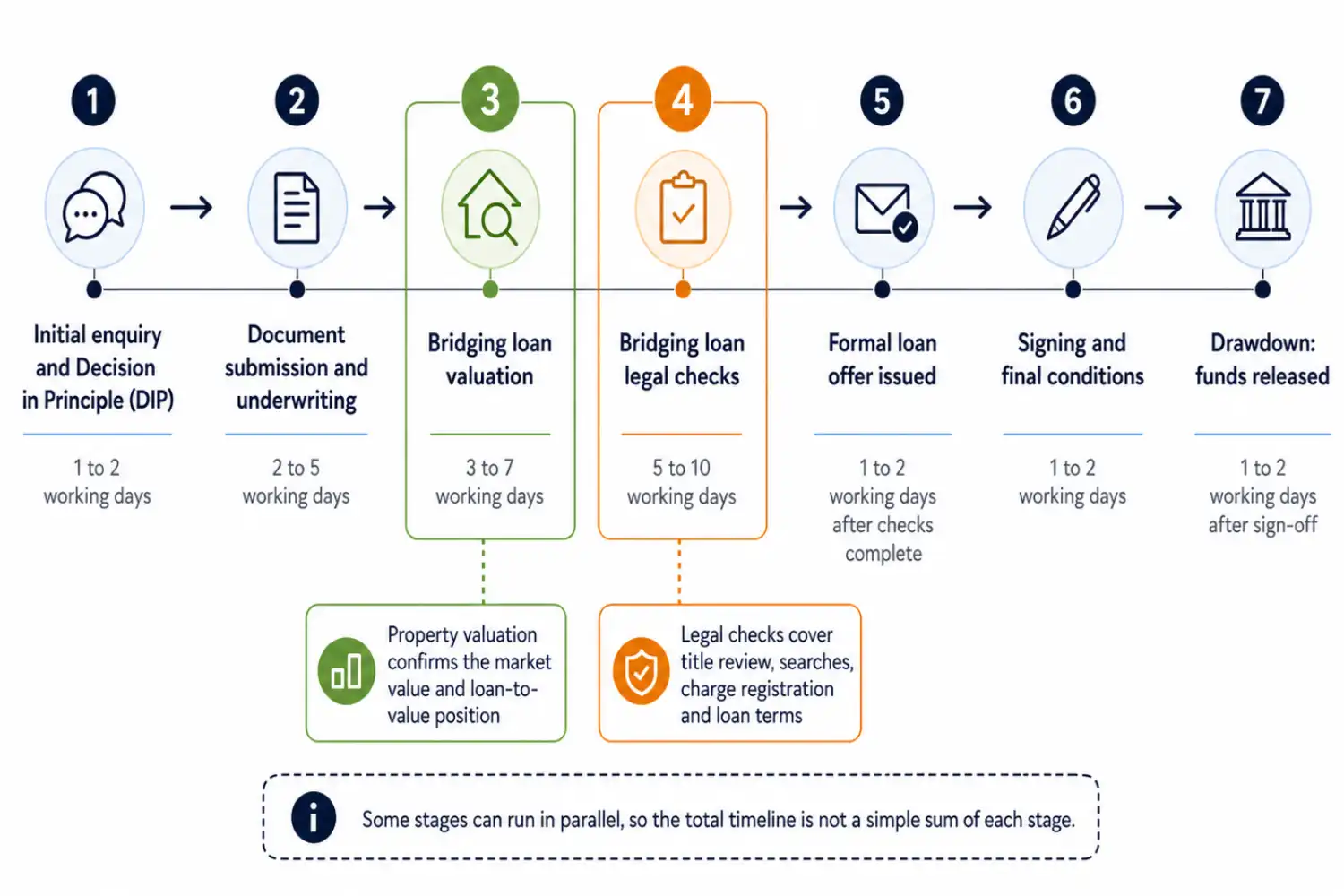
Bridging loan application process: a clear step-by-step guide
Flow Diagram Loan Application Loan Origination Made Easier Using

Flow Diagram Loan Application Loan Origination Made Easier Using
Loan Closing Process
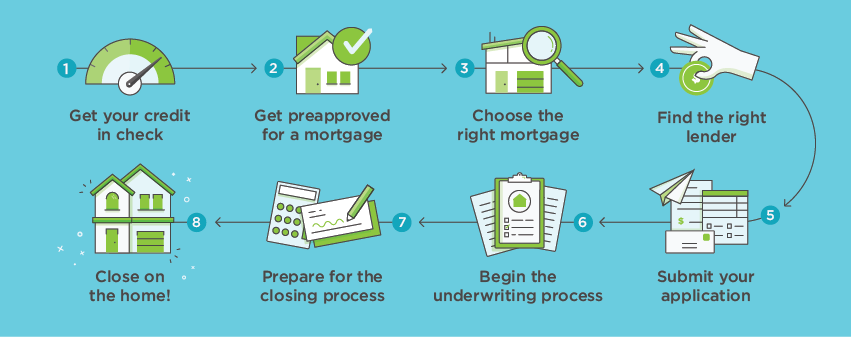
Loan Closing Process
Remortgage Process: What To Know! - UK Mortgage Centre
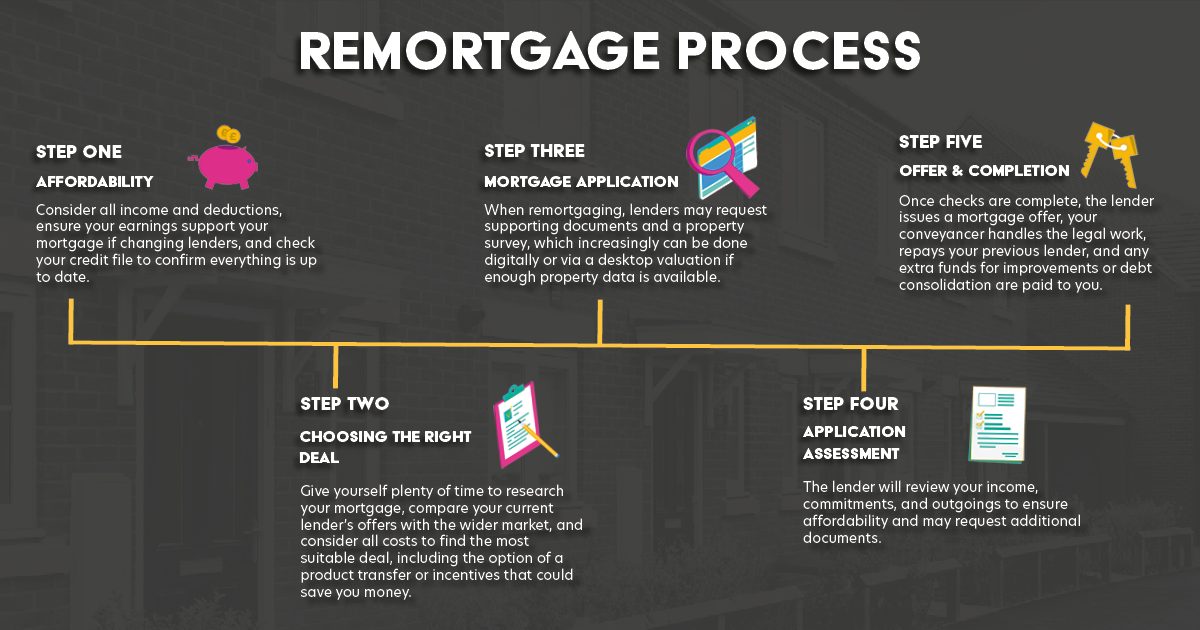
Remortgage Process: What to Know! - UK Mortgage Centre